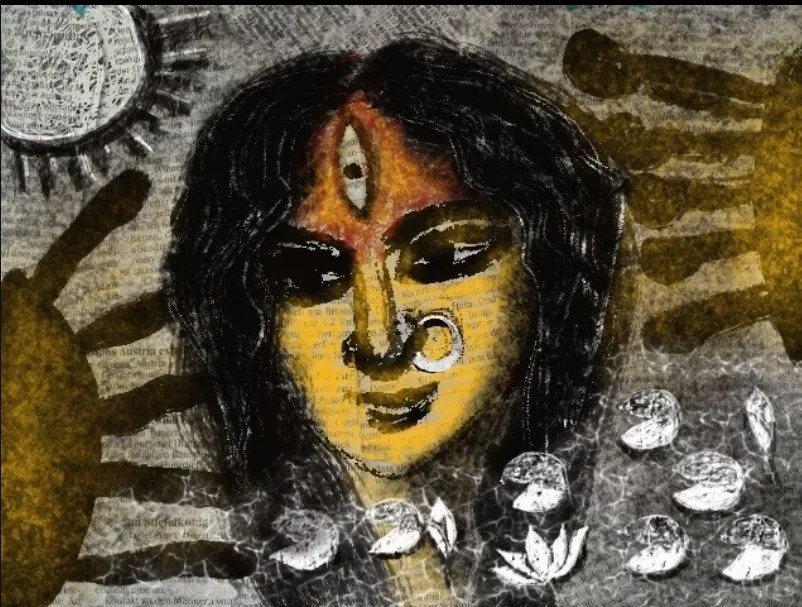
Digital art has completely transformed the creative landscape, redefining how artists craft visual stories and how audiences experience them. By shifting from traditional canvases to digital screens, light, and pixels, artists now have an infinitely flexible palette at their fingertips.
Key Forms of Digital Art
- Digital Painting & Illustration: Using software like Procreate, Photoshop, or Clip Studio Paint, artists replicate traditional textures—from watercolor to oil and charcoal—with the added flexibility of layers and instant undo.
- 3D Modeling & Sculpting: Programs like Blender and ZBrush allow creators to build intricate 3D figures and environments, widely used in video games, animation, and CGI films.
- Vector Art: Clean, resolution-independent designs created using anchor points and paths, ideal for modern logos, graphic design, and scalable illustrations.
- Generative & Algorithmic Art: Artists use code and algorithms to craft complex geometric patterns and dynamic visual installations that evolve programmatically.
Why Digital Art Matters Today
Digital art lowers the barrier to entry for aspiring creators worldwide, providing access to endless tools without the physical footprint of traditional supplies. Beyond convenience, it enables seamless global sharing, collaborative creation across borders, and new mediums of expression that continuously challenge our concept of visual media.